
Lighting Selection Guide Part 1: From Color Temperature to Brightness – Elevate Your Home Atmosphere
Lighting is the “magician” of home design. A well-chosen lighting fixture can make a living room feel spacious, a bedroom feel cozy, and a kitchen more vibrant.
However, faced with an array of options—from ceiling lights and chandeliers to spotlights and LED strips—along with complex parameters like color temperature and brightness, many people feel overwhelmed. In this guide, Guanglai Lighting breaks down the two most critical factors: Color Temperature and Brightness.
1. Color Temperature: The Key to Ambiance
Color temperature, measured in Kelvins (K), defines the “color” of the light. Lower values indicate a warm, yellowish glow, while higher values lead to a cool, bluish-white light.
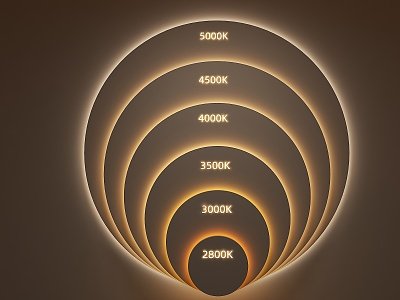
Choose Based on Space Function:
- Warm White (2700K – 3500K): Soft and cozy. Ideal for creating a relaxing atmosphere in bedrooms and dining areas.
- Neutral White (4000K – 5000K): Natural and clear. Perfect for living rooms and study areas where focus and visibility are key.
- Cool White (6000K and above): Bright and sharp. Best suited for workshops or high-utility spaces requiring maximum clarity.
Guanglai Expert Tip: Maintain consistency in color temperature within the same space to avoid visual clutter. For a layered look, combine a neutral main light (4000K) with warm accent lighting (3000K) in corners to balance functionality and comfort.
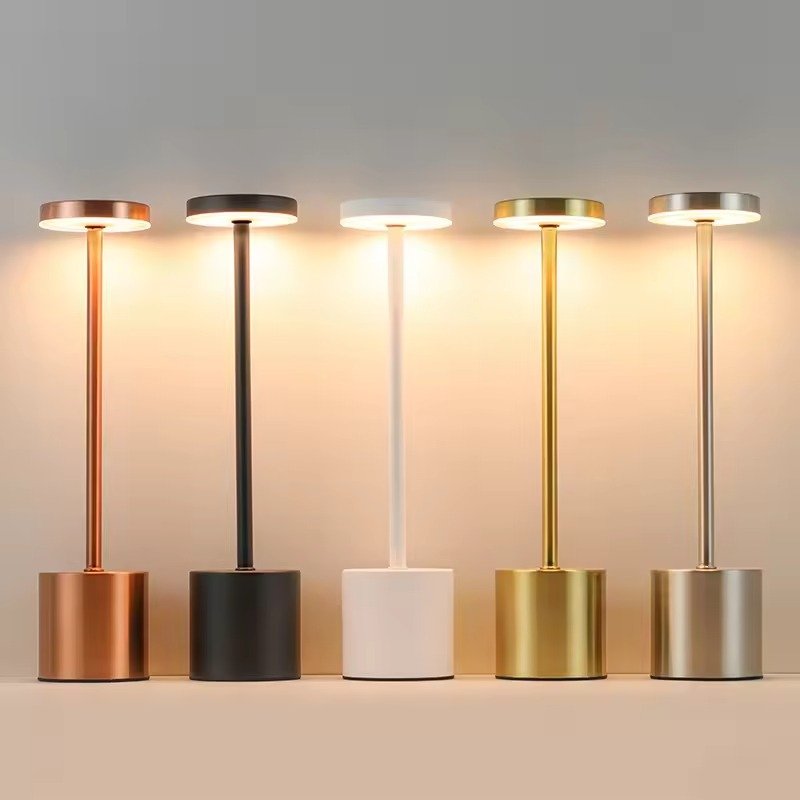
2. Brightness: Understanding Intensity & Efficiency
Brightness refers to the Luminous Flux, measured in Lumens (lm). A common mistake is thinking “the brighter, the better.” In reality, excessive brightness causes eye strain, while insufficient light leads to fatigue.
Beyond Wattage: Lumens and Efficacy
When shopping at Guanglai Lighting, don’t just look at the Power (Watts). Pay attention to Luminous Efficacy (lm/W)—the amount of light produced per watt. Higher efficacy means more energy savings without sacrificing light quality.
Lighting by Purpose:
- Basic Lighting: Even and sufficient brightness for daily activities.
- Accent Lighting: Higher intensity to highlight artworks or features (e.g., spotlights for luxury hotel chandeliers).
- Ambient Lighting: Soft and gentle to create mood (e.g., LED strips in coves or floor lamps).
Conclusion
Understanding “Color Temperature” and “Brightness” is the first step in mastering home lighting. These parameters dictate the “personality” of your space and significantly impact your living experience.
At Guanglai Lighting, we are committed to providing healthier, more premium lighting products that transform your house into a home. Stay tuned for our next installment, where we explore more dimensions of lighting selection.
Discover Professional Lighting at www.sxglzm.com